
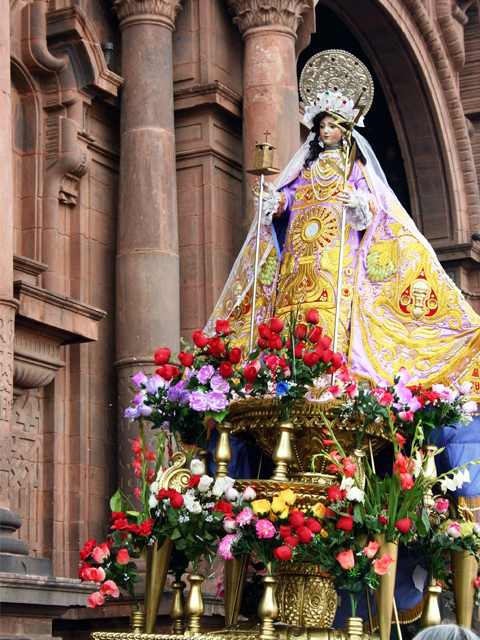
Corpus Christi Festival Cusco
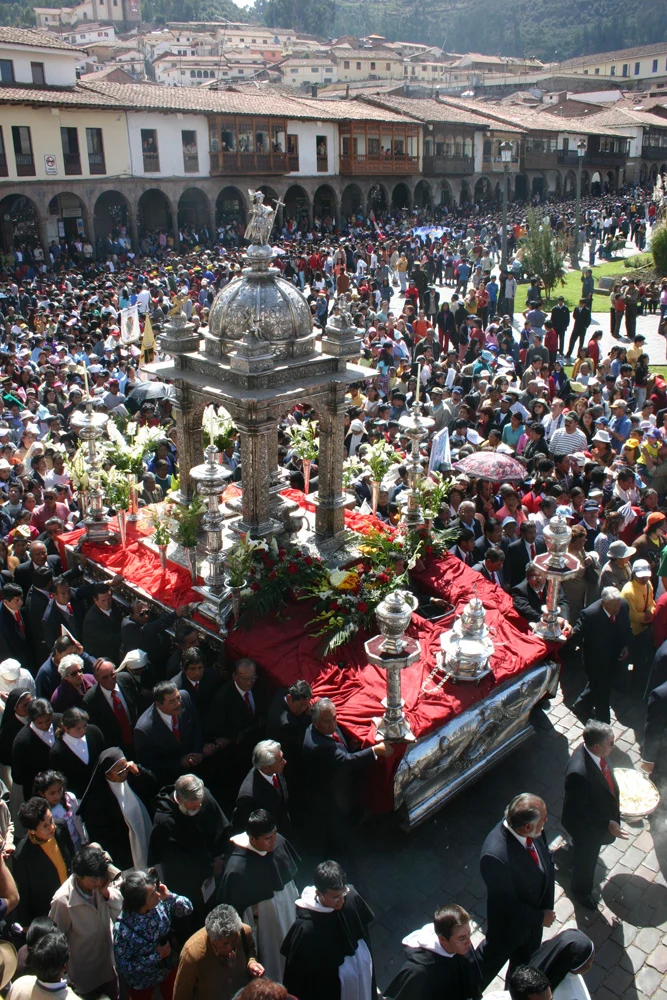
Today’s celebrations in Cusco mark the 464th uninterrupted procession of Corpus Christi in the Andean city. The celebration has been called “the festivity of Cuzquenians” due to the massive participation of all social groups, rich and poor. The Corpus Christi Festival Cusco is the longest-running religious festival in the Americas, celebrated every year since 1547.
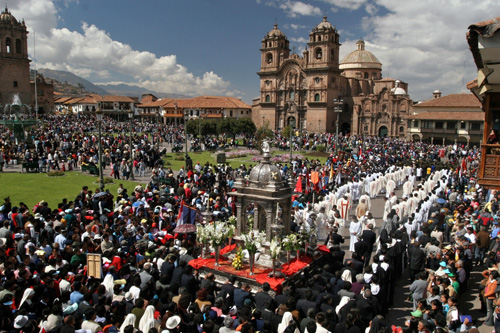
Celebrating in Cusco
Cusco’s is a distinctive Corpus Christi celebration compared to others across the Catholic world in that it is an expression of Andean Catholicism, also called “popular” Catholicism in current religious studies, which is defined by the amalgamation of indigenous traditions into Catholic ritual. Corpus Christi was first introduced in the Americas as part of the policy of Evangelization to convert the population of the New World into Catholicism, and during this process many aspects of native belief system were incorporated into the newly imposed religion. In Inca tradition, for instance, the mummies of dead ancestors would have been paraded around Cusco’s main square, and this idea is continued in Cusco’s corpus Christi processions.
Read our top tips for enjoying Corpus Christi Festival.
Processions
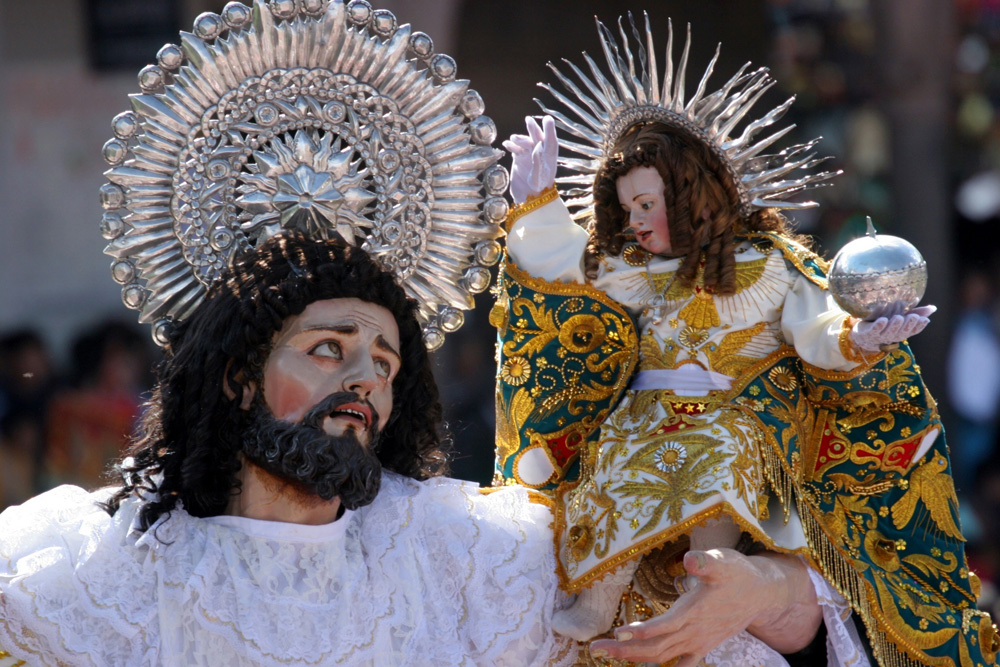
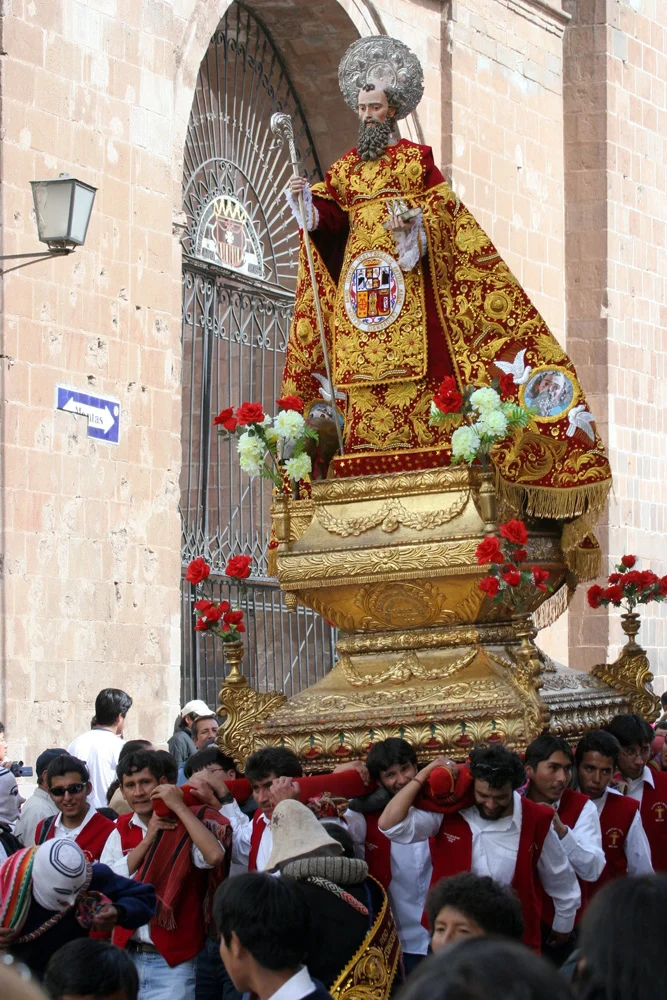
The celebration consists of a series of processions that include fourteen life-size Saints and Madonnas from different parishes around the city of Cuzco, in addition to the Monstrance in a tabernacle made of solid gold placed on an 18th century silver carriage.
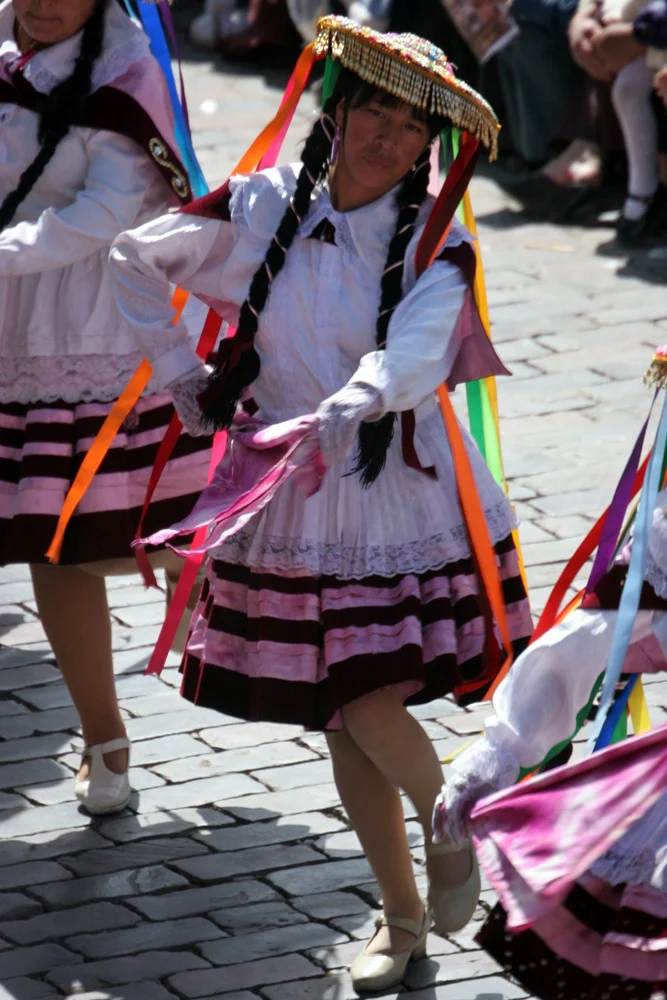
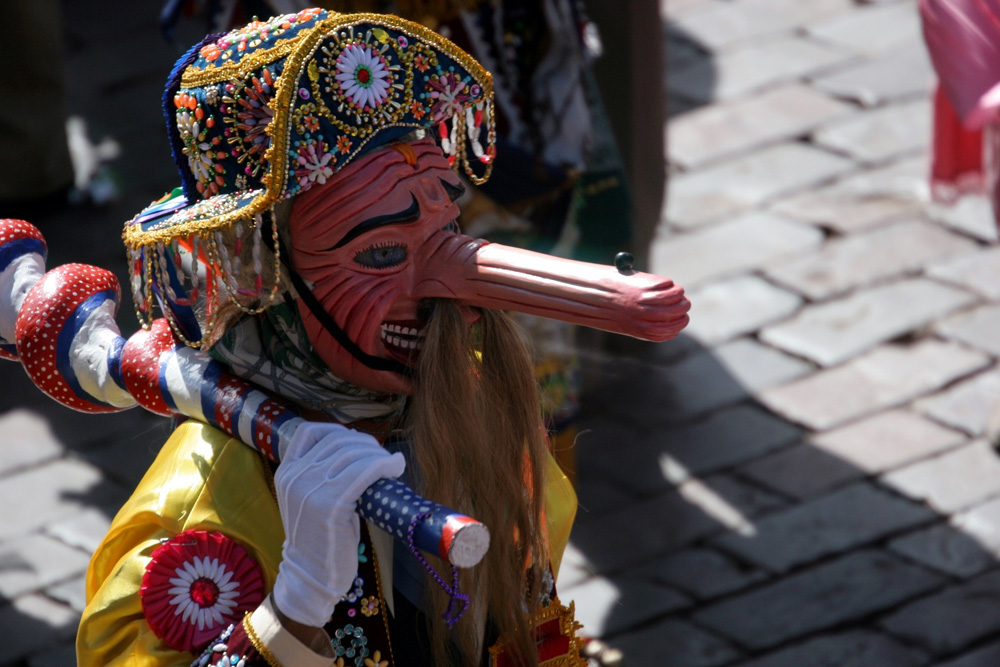
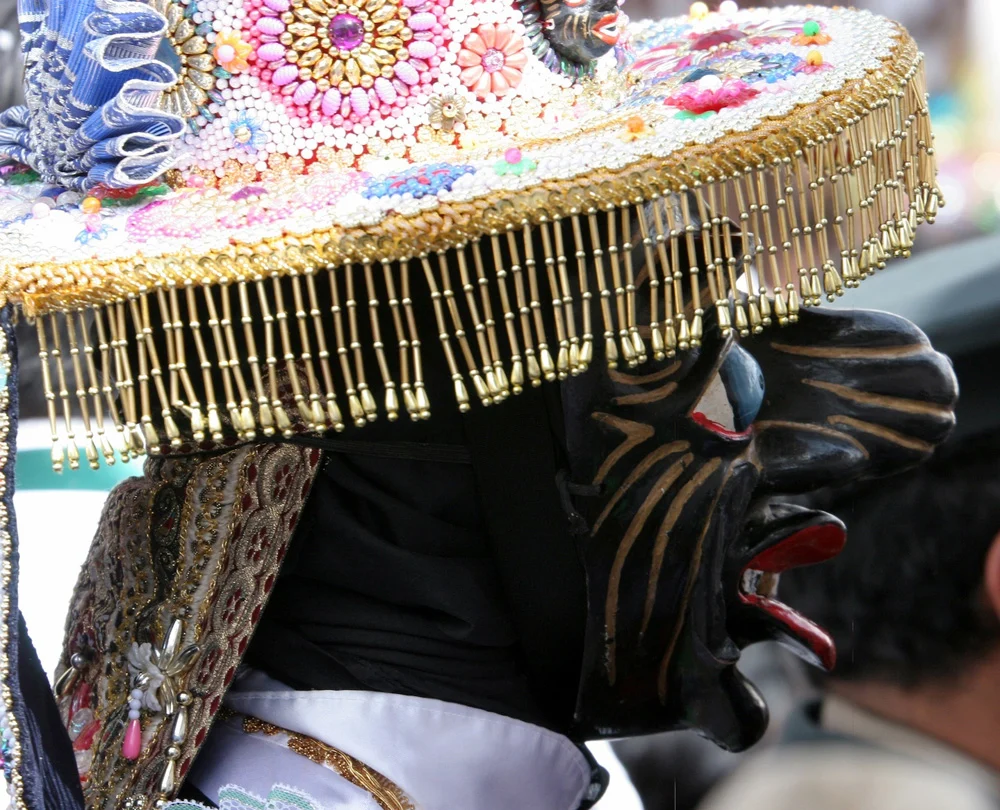
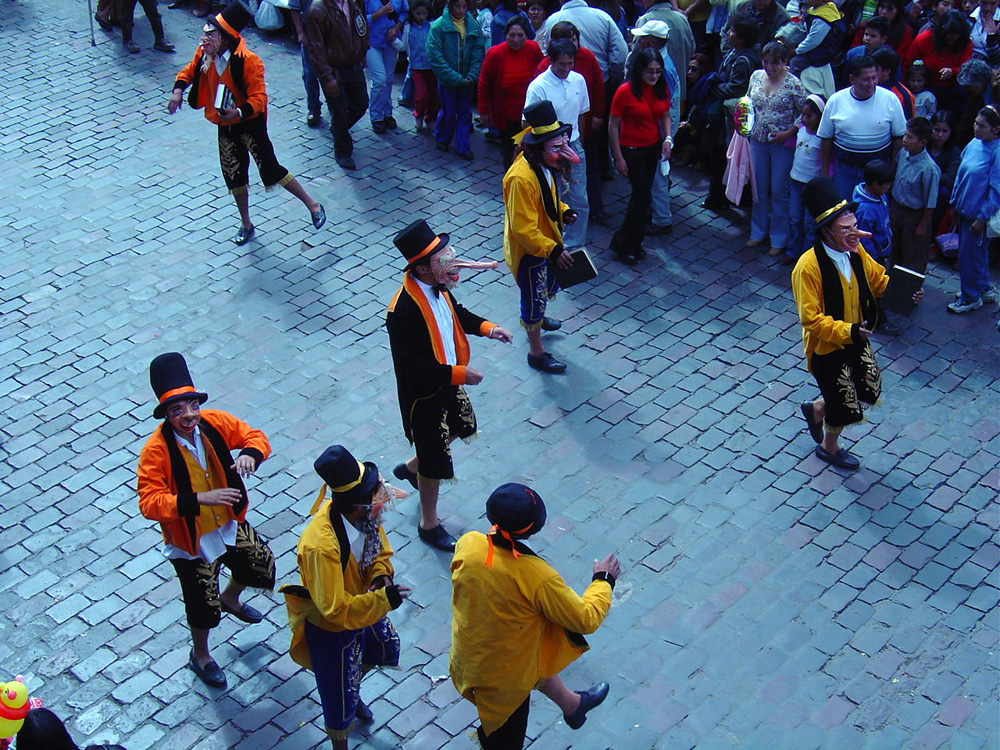
People devote a large amount of time to the celebration, the artistic display involved in the decoration and adornment of the images and their litters, which are always most lavishly appointed. Jubilant music and dance accompanied by special food and drinks embody the party that follows the processional parades.
Read more about Peru’s most important festivals and events with our handy guide and free festival calendar.